
Eczema in Adults: Seasonal Patterns, Skin Barrier Science, and Management Approaches

Key Takeaways
What Adult Eczema Actually Is
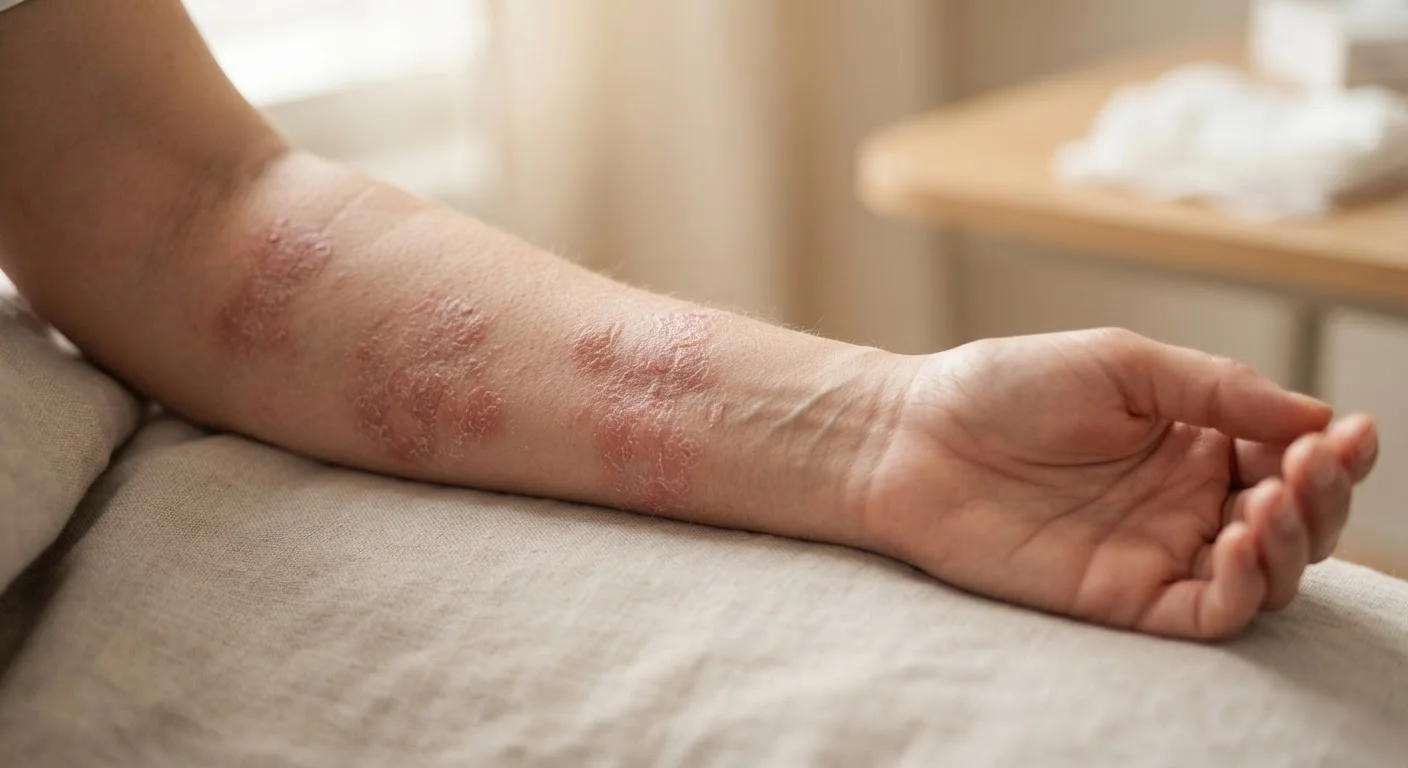
Atopic dermatitis — the most common form of eczema — is a chronic inflammatory skin condition marked by intense itch, redness, and patches of dry or weeping skin. While it is widely associated with childhood, a substantial portion of cases persist into adulthood, and some adults develop it for the first time after age 18. Adult-onset eczema can present differently from pediatric cases: lesions tend to concentrate on the hands, eyelids, neck, and flexural folds rather than the classic infant cheek pattern.
Eczema belongs to what clinicians call the atopic triad — a cluster of conditions that includes asthma and allergic rhinitis. Adults with eczema are meaningfully more likely to experience one or both of these conditions. Understanding eczema as a systemic inflammatory tendency, not just a skin problem, shapes how effectively it can be managed. See also our overview on adult asthma triggers and management for context on how these conditions interact.
The Skin Barrier: Why It Matters
Healthy skin maintains a tightly organized outer layer — the stratum corneum — that locks moisture in and keeps irritants, allergens, and microbes out. In people with atopic dermatitis, this barrier is structurally compromised. Research has identified mutations in the gene encoding filaggrin, a protein critical to barrier integrity, as a major genetic risk factor. Even in individuals without filaggrin mutations, chronic inflammation degrades barrier function over time.
A weakened barrier allows transepidermal water loss (TEWL) to increase, leaving skin dehydrated and reactive. Simultaneously, environmental allergens — dust mite proteins, pet dander, pollen — penetrate more easily, perpetuating the immune response. This creates a self-reinforcing cycle: inflammation weakens the barrier, and a weakened barrier invites more inflammation.
Apply your emollient within two to three minutes of stepping out of the shower — the skin is still hydrated and the occlusive layer will trap that moisture effectively.
Studies on atopic dermatitis management consistently show that post-bathing emollient application significantly reduces transepidermal water loss compared to applying moisturizer to fully dry skin.
When trying a new skincare product, test it on a small area of intact skin on the inner forearm for three to five days before applying it to eczema-affected areas.
Adults with a compromised skin barrier have a higher rate of contact sensitization; patch-testing new products informally at home reduces the risk of accidentally triggering a widespread reaction.
Restoring and maintaining barrier function is therefore not merely cosmetic. Emollient therapy applied consistently — especially within minutes of bathing — directly addresses the underlying mechanism, not just the symptom of dryness.
Seasonal Patterns and Common Triggers
Eczema rarely behaves uniformly across the calendar year. Most adults with the condition notice distinct seasonal rhythms:
- Winter: Cold air holds less moisture, and indoor heating further strips humidity. This combination drives up TEWL and is the most commonly reported season for flares.
- Spring and fall: Elevated airborne pollen counts provoke immune responses that can simultaneously trigger respiratory and skin symptoms in atopic individuals.
- Summer: Heat and perspiration are significant aggravators. Sweat contains proteins and salts that irritate already-compromised skin, and occlusive clothing increases friction.
Beyond seasons, individual triggers vary considerably. Common aggravators include fragrance in personal-care products, wool or synthetic fabrics, chlorinated water, psychological stress, and certain foods (though true food-triggered adult eczema is less common than many assume and warrants professional evaluation before dietary restriction).
Don't Restrict Foods Without Guidance
Many adults with eczema suspect food triggers and eliminate entire food groups without medical evaluation. True food-triggered eczema in adults is less common than often assumed, and unnecessary dietary restriction can create nutritional gaps. If you believe a specific food worsens your skin, discuss allergy testing with a healthcare provider before making significant dietary changes.
Keeping a simple flare diary — noting skin status, environment, diet, stress level, and products used — over four to six weeks can reveal patterns that are otherwise easy to miss. This kind of systematic self-observation is consistently recommended in clinical guidance for eczema self-management. For a broader look at how symptoms shift with life stage and season, our article on symptom awareness across life stages offers useful context.
Evidence-Informed Management Approaches
No single intervention eliminates eczema, but a layered approach can substantially reduce frequency and severity of flares.
Moisturization — The Foundation
Regular application of thick emollients (creams or ointments rather than thin lotions) is the most robustly supported self-care strategy. Applying emollient immediately after bathing — within two to three minutes — helps trap water in the skin. Fragrance-free, preservative-minimal formulations reduce the risk of contact sensitization.
Topical Anti-Inflammatory Therapies
Topical corticosteroids remain a first-line prescription option for acute flares and are effective when used correctly. Concerns about skin thinning are legitimate with prolonged use, but short-course, appropriately potent application under medical guidance is generally considered safe. Topical calcineurin inhibitors (such as tacrolimus and pimecrolimus) offer a steroid-free alternative, particularly for sensitive areas like the face and eyelids.
Newer Systemic Options
For moderate-to-severe adult eczema unresponsive to topical therapies, systemic treatments — including biologics and JAK inhibitors approved for this indication — have expanded available options in recent years. These require specialist prescribing and monitoring.
~10%
US adults estimated to have atopic dermatitis
Population-based studies suggest atopic dermatitis affects roughly one in ten US adults, making it one of the most prevalent chronic inflammatory skin conditions.
Up to 70%
Adults with eczema reporting sleep disruption
Clinical surveys of adult eczema patients consistently find a majority report itch-related sleep disturbance during active flares, underscoring the condition's quality-of-life burden.
2–3 min
Post-bath window for effective emollient application
Dermatology guidelines recommend applying emollient within two to three minutes of bathing to maximize moisture retention in the stratum corneum.
Behavioral and Environmental Strategies
Lukewarm (not hot) showers of under ten minutes, wearing breathable fabrics, using a bedroom humidifier in dry months, and laundering clothes in fragrance-free detergent are all practical modifications with a meaningful evidence base in eczema guidelines.
When to See a Dermatologist
Many adults manage mild eczema effectively with over-the-counter emollients and trigger avoidance. However, several signs indicate that professional evaluation is warranted:
- Flares that don't improve after two weeks of appropriate self-care
- Skin that appears infected — yellow crusting, warmth, or spreading redness
- Eczema affecting sleep, work, or mental wellbeing on a regular basis
- Uncertainty about whether eczema is the correct diagnosis — contact dermatitis, psoriasis, and other conditions can look similar
A dermatologist can confirm the diagnosis, identify contributing allergies through patch testing, and prescribe therapies matched to disease severity. Adults experiencing significant quality-of-life impact should not delay seeking specialist input; effective treatments exist across a wide range of severity levels.
This article is for general informational and educational purposes only and does not constitute medical advice. Always consult a qualified healthcare professional for personal medical decisions, new symptoms, or changes in your skin condition.