

Fitness & Movement

Before Your First Home Workout: A Readiness Checklist

Share
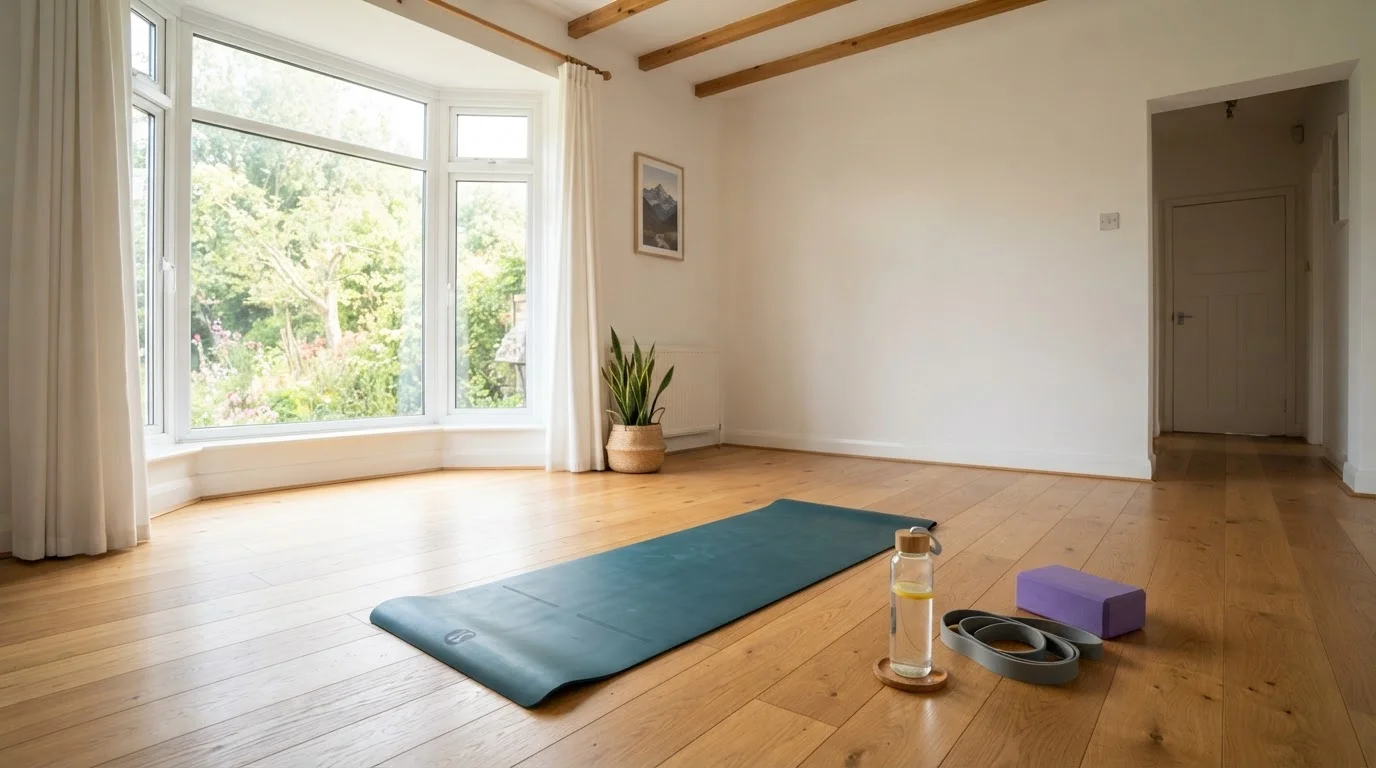
A clear living room space with a yoga mat, water bottle, and resistance band ready for a home workout.

Key Takeaways

Clearing a safe, distraction-free space is the most critical first step before any home workout.
You don't need specialized equipment to start — bodyweight movements are effective and accessible.
Having a realistic plan and schedule in place dramatically improves follow-through.
Certain health conditions require a professional consultation before beginning exercise at home.
A brief warm-up and a basic emergency plan are non-negotiable for safe training.
20–40 min

Summary

22 items · 20–40 minutes

Why a Pre-Workout Setup Check Matters

Starting a home workout routine sounds simple — just move the coffee table and press play on a video. But skipping a proper readiness check is one of the most common reasons people quit within the first two weeks, either because they injure themselves, feel lost without structure, or hit unexpected friction every session.

This checklist is designed to eliminate that friction before it starts. Whether you're returning to exercise after a break or training at home for the first time, working through these items once gives you a repeatable foundation. Think of it as a one-time setup investment that pays off every session going forward.

If you're managing a chronic health condition, the stakes are higher. The article Training at Home With a Chronic Condition: What to Know First covers important considerations and when professional guidance is essential before you begin.

Once your setup is complete, you can transition to session-by-session preparation. The pre-session readiness checklist for strength and cardio is the natural companion to this guide.

Medical Clearance Comes First

If you have been sedentary for more than a year, are over 40 with no recent exercise history, or have any diagnosed health condition, speak with a qualified healthcare professional before beginning a new exercise program. This checklist provides general information and is not a substitute for personalized medical advice. When in doubt, get cleared first.

Your Home Workout Readiness Checklist

Work through each group below before your first session. Items marked must are non-negotiable for safety and effectiveness. Should items significantly improve your results. Nice-to-have items are worth adding when you're ready.

Health & Medical Clearance

Consult a healthcare professional before starting if you have a cardiovascular condition, recent injury, chronic illness, or are pregnant. Must
Complete a physical activity readiness self-check (such as the PAR-Q) to identify any symptoms that warrant medical review. Must
Note any exercises that are contraindicated for your current health status and have alternatives ready. Should

Space Preparation

Clear a minimum area of 6 feet by 6 feet — enough to lie flat, extend your arms, and step side to side without obstruction. Must
Remove or secure any furniture, rugs, or objects that could cause slipping, tripping, or collision during dynamic movements. Must
Check overhead clearance — ensure you can raise both arms fully without hitting light fixtures, fans, or low ceilings. Must
Ensure the floor surface is appropriate for your planned exercises; place a non-slip mat on hard or slippery floors. Should
Ensure the space has adequate ventilation — open a window or use a fan to prevent overheating. Should

Safety Basics

Keep a fully charged phone within reach so you can call for help if you are injured or feel unwell. Must
Place a water bottle within arm's reach before every session to support consistent hydration. Must
Wear supportive, closed-toe footwear appropriate for your workout type — or confirm barefoot training is suitable for your specific routine. Should
Inform someone in your household that you are exercising, or use a workout check-in system if you train alone. Nice to have

Your Workout Plan

Choose or create a structured program that matches your current fitness level — not where you want to be in three months. Must
Identify at least two or three weekly time slots for workouts and block them in your calendar like appointments. Must
Plan a warm-up of at least five minutes (light movement, dynamic stretches) before every session. Must
Plan a cool-down of at least five minutes (static stretches, slow breathing) at the end of every session. Should
Write down your first four weeks of workouts so you know exactly what you're doing on each training day. Should
Set one measurable, process-based goal for your first month — for example, completing three sessions per week consistently. Nice to have

Mindset & Logistics

Decide in advance how you will handle a missed session — have a brief make-up plan ready rather than abandoning the week. Should
Set a simple progress log — a notebook, app, or spreadsheet — to track completed sessions and any notable changes. Nice to have

Once you've completed this checklist, consider pairing it with the habit-building framework in Before You Start a New Habit: A Self-Assessment Checklist, which helps you clarify your motivation and design conditions that make a new routine stick long-term.

Don't Skip the Warm-Up

Jumping into high-intensity movements with cold muscles and joints is one of the leading causes of avoidable home workout injuries. Even five minutes of light walking in place, hip circles, arm swings, and dynamic lunges meaningfully reduces your risk. Build the warm-up into your workout timer so it's never optional.

Tools and Equipment Worth Having

Home workouts don't require a rack of dumbbells or a dedicated gym room. The tools listed below represent a practical, low-cost starting kit. Each one earns its place through versatility — meaning you can use it across strength, mobility, and cardio training.

Required

Exercise Mat

Provides cushioning and grip for floor-based movements, stretching, and core work.

Required

Resistance Bands (set of 3 tensions)

Replaces dumbbells for upper and lower body strength work and adds load to bodyweight exercises.

Required

Water Bottle (at least 20 oz)

Supports hydration throughout your session without interrupting your workflow.

Required

Timer or Interval App

Keeps work and rest periods consistent, which is essential for structured training.

Optional

Foam Roller

Supports post-workout muscle recovery and can reduce next-day soreness for beginners.

Optional

Adjustable Dumbbells or Kettlebell

Extends your strength training options beyond bodyweight when you're ready to add load.

Optional

Jump Rope

Provides an efficient, compact cardio option without requiring treadmill or outdoor access.

If you plan to maintain fitness while traveling, many of these tools are compact enough to pack. The pre-trip fitness checklist covers how to adapt your home routine for travel without losing momentum.

Fitness & Movement Editorial Team is the collective byline for our editorial team and contributor network. Articles published under this byline or an editorial pen name are researched, written, and reviewed according to our editorial standards for clarity, consistency, and independence before publication.

View all articles by Fitness & Movement Editorial Team →
Disclaimer: The content on this site is for informational purposes only and is not a substitute for professional advice. Always consult a qualified professional for guidance specific to your situation.