
Shortness of Breath: Common Explanations and Situations That Need Prompt Attention

Key Takeaways
Shortness of Breath (Dyspnea)
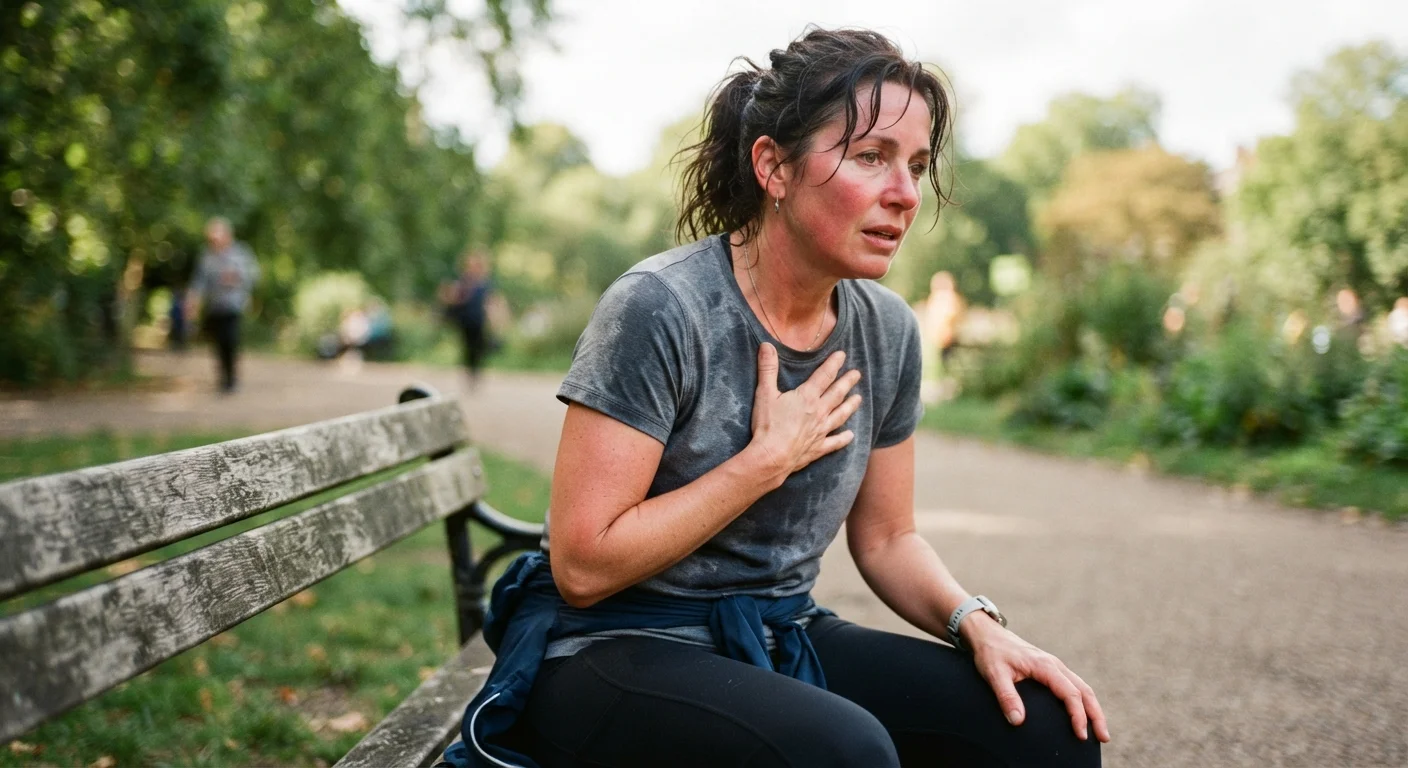
Shortness of breath — medically called dyspnea — is the uncomfortable sensation of not being able to breathe easily or deeply enough. It can feel like tightness in the chest, air hunger, or the sense that each breath requires extra effort. It ranges from a brief, expected response to exertion all the way to a symptom of serious underlying conditions.
Clinicians rate dyspnea severity using tools such as the Modified Medical Research Council (mMRC) scale, which measures how breathlessness limits daily activity. The experience is subjective, meaning two people with identical lung function may report it very differently.
Why Your Body Creates the Feeling of Breathlessness
Breathing is regulated by a tightly coordinated system involving the brain, the respiratory muscles, and receptors throughout the body that monitor oxygen and carbon dioxide levels. When any part of this system detects a mismatch — between the effort being demanded and the air actually moving — the brain generates the uncomfortable sensation we recognize as breathlessness.
This response is not inherently a problem. During vigorous exercise, for instance, working muscles consume oxygen rapidly and produce carbon dioxide quickly. Your brain ramps up breathing rate and depth in response. The brief breathlessness you feel is the system working correctly. The same mechanism, however, can be triggered by impaired lung function, a struggling heart, reduced blood oxygen, or even psychological stress — and in those contexts, the signal is worth heeding.
Understanding why breathlessness happens makes it easier to recognize when a familiar sensation becomes an unfamiliar one. Recurring body signals that adults often dismiss are frequently dismissed precisely because they feel manageable — until they don't.
Common, Non-Urgent Causes in Healthy Adults
Most episodes of breathlessness in otherwise healthy adults have straightforward explanations. Recognizing these helps calibrate worry appropriately.
- Exercise and physical exertion: Running, cycling, swimming, or climbing stairs all increase oxygen demand rapidly. Breathlessness during or immediately after activity is expected and resolves within minutes of rest.
- High altitude: At elevations above roughly 8,000 feet, lower atmospheric oxygen pressure makes breathing feel harder. Most people acclimatize within a few days, though some develop altitude sickness requiring descent.
- Pregnancy: The growing uterus reduces diaphragm space, and increased blood volume raises respiratory demand. Mild breathlessness is common, particularly in the third trimester — though significant or sudden breathlessness should always be evaluated, as pregnancy carries its own cardiovascular risks.
- Obesity: Excess weight increases the mechanical effort required to expand the chest and raises overall oxygen demand, making breathlessness on exertion more common.
- Deconditioning: People who have been inactive for extended periods will experience breathlessness at lower exercise intensities than those who exercise regularly. This typically improves with gradual, consistent activity.
- Temporary respiratory infections: Colds, flu, and bronchitis cause airway inflammation and mucus that can make breathing feel labored, usually resolving as the illness clears.
~25%
Adults reporting significant breathlessness on exertion
Population surveys, including data reviewed by the American Thoracic Society, suggest roughly one in four adults experiences breathlessness severe enough to limit daily activity at some point.
50%+
COPD cases estimated to be undiagnosed
Research published in respiratory medicine journals consistently finds that more than half of people with COPD have not received a formal diagnosis, often because symptoms are attributed to aging or inactivity.
Top 3
Reason adults visit emergency departments
Dyspnea (breathlessness) consistently ranks among the top three presenting complaints in U.S. emergency departments, according to CDC emergency department visit data.
Medical Conditions That Cause Chronic or Recurring Breathlessness
When breathlessness is persistent, progressive, or appears repeatedly without a clear trigger, an underlying condition is often responsible. The most clinically significant include:
- Asthma: Airway inflammation and bronchospasm cause episodic breathlessness, often with wheezing and coughing. Triggers include allergens, cold air, exercise, and respiratory infections.
- Chronic Obstructive Pulmonary Disease (COPD): Usually caused by long-term smoking, COPD progressively narrows the airways and damages air sacs, making exertion increasingly difficult over time.
- Heart failure: When the heart cannot pump efficiently, fluid can accumulate in the lungs (pulmonary edema), causing breathlessness — often worse when lying flat or waking the person from sleep.
- Pulmonary hypertension: Elevated blood pressure in the arteries supplying the lungs strains the right side of the heart, producing fatigue and breathlessness on exertion.
- Anemia: Low red blood cell count reduces oxygen delivery throughout the body, causing breathlessness even with modest effort.
- Interstitial lung disease: A group of conditions causing lung tissue scarring, leading to progressive breathlessness and a dry cough.
If you've also noticed chest discomfort alongside breathing difficulty, see our explainer on separating everyday chest discomfort from cardiac warning signs for additional context. Sleep-disordered breathing is another underappreciated contributor — sleep apnea affects many adults who don't realize it and can cause nighttime breathlessness and daytime fatigue.
Situations That Require Prompt or Emergency Attention
Certain patterns of breathlessness are red flags that should not be evaluated at a routine appointment — they require same-day care or emergency services. Seek immediate help if breathlessness:
- Comes on suddenly and severely with no obvious cause
- Is accompanied by chest pain, pressure, or tightening
- Occurs alongside dizziness, fainting, or loss of consciousness
- Is paired with rapid or irregular heartbeat
- Follows a suspected allergic reaction, insect sting, or new medication
- Develops after a leg injury, long period of immobility, or recent surgery (possible signs of a blood clot)
- Causes blue-tinged lips or fingertips (cyanosis)
Even without these red-flag features, breathlessness that wakes you from sleep, appears at rest consistently, or has been gradually worsening over weeks deserves a medical appointment rather than watchful waiting. Early evaluation allows clinicians to use spirometry, imaging, blood tests, and cardiac assessments to identify the cause and guide appropriate care.
This article is for general health information and educational purposes only. It is not a substitute for professional medical advice, diagnosis, or treatment. Always consult a qualified healthcare provider about symptoms or health concerns specific to you. In an emergency, call 911 or your local emergency number immediately.