

Key Takeaways
Start here
What Plant-Based Eating Actually Means
Understand the case
Why a Gradual Approach Works
Take action
Practical First Steps for Everyday Adults
Stay informed
Nutrients Worth Paying Attention To
Build the habit
Making It Stick in Real Life
What Plant-Based Eating Actually Means
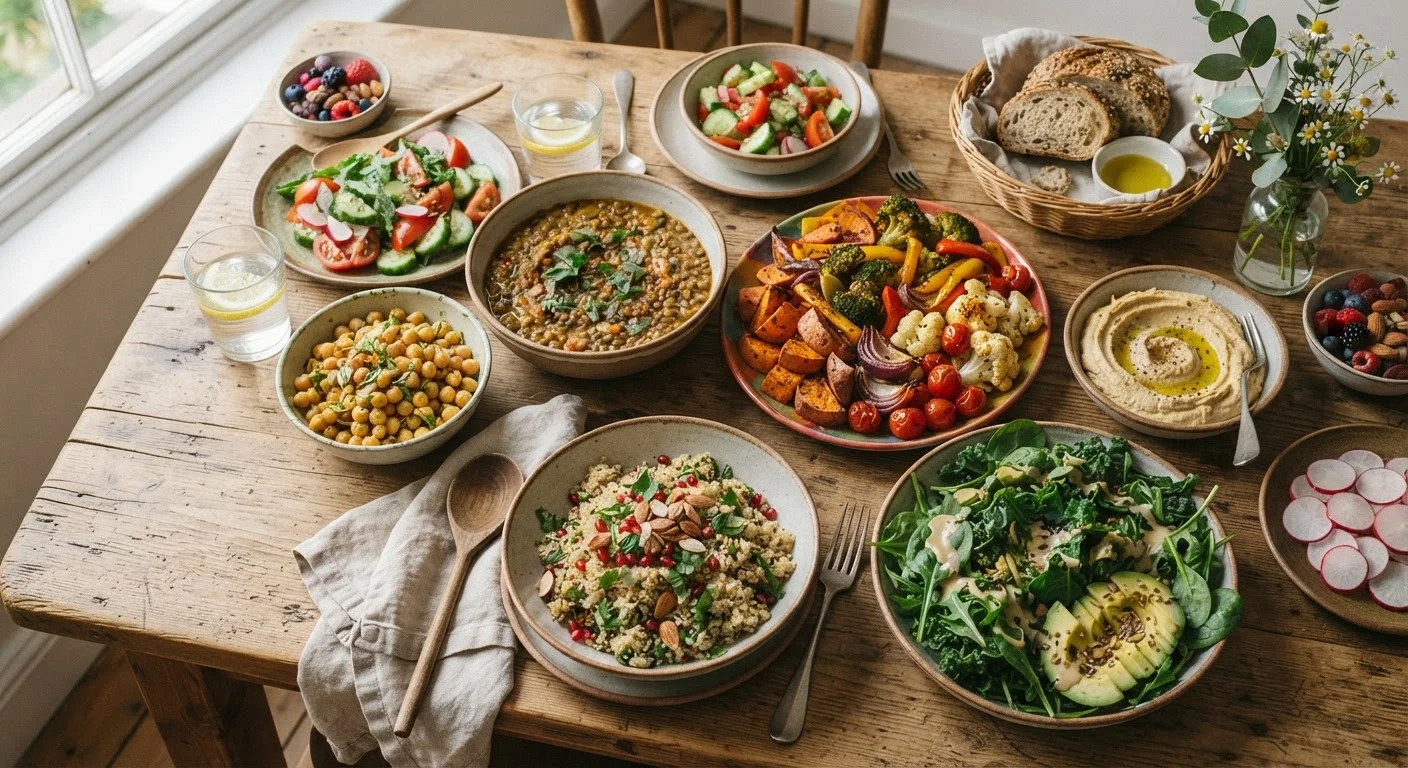
The term plant-based eating gets used loosely, which creates unnecessary confusion for anyone trying to figure out where to begin. It does not automatically mean vegan, vegetarian, or any other fixed dietary identity. At its core, plant-based eating simply means structuring meals so that whole plant foods — vegetables, fruits, legumes, whole grains, nuts, and seeds — take up more of the plate than they currently do.
This distinction matters practically. You can eat more plants without committing to a label, a set of rules, or a complete lifestyle overhaul. For a clear look at how plant-based compares to vegan and vegetarian approaches, the lines actually fall in different places than most people assume.
Plant-based eating
An eating approach that emphasizes whole plant foods — vegetables, fruits, legumes, grains, nuts, and seeds — as the foundation of the diet, without necessarily excluding all animal products.
Legumes
A food group that includes beans, lentils, chickpeas, and peas. They are high in protein, fiber, and a range of micronutrients, and are a cornerstone of most plant-forward diets.
Non-heme iron
The form of iron found in plant foods. It is absorbed less readily by the body than heme iron from animal sources, but intake can be supported by pairing plant iron sources with vitamin C.
Vitamin B12
A vitamin essential for nerve function and red blood cell production. It is found almost entirely in animal-derived foods, making it a key consideration for those significantly reducing animal product intake.
Whole grains
Grains that retain the bran, germ, and endosperm — such as brown rice, oats, farro, and quinoa. They provide more fiber and nutrients than refined grains like white bread or white rice.
Why a Gradual Approach Works
Dietary change tends to last when it fits into an existing life rather than replacing it. Research on eating behavior consistently shows that all-or-nothing transitions are harder to sustain than incremental ones. Adding one or two plant-centered meals per week — rather than emptying the refrigerator — gives your palate, shopping habits, and cooking skills time to adapt.
There's also a meaningful nutritional case for simply eating more plants, even without eliminating anything. Diets higher in vegetables, legumes, and whole grains are associated with higher fiber intake, greater dietary variety, and reduced consumption of ultra-processed foods. These patterns are linked to a range of health indicators in population research, though individual responses vary.
Start with subtraction-free additions
Before removing anything from your diet, try simply adding more plant foods to what you already eat. Toss a handful of spinach into a pasta dish, stir lentils into a meat-based sauce, or add a side of roasted vegetables to your usual dinner. Building familiarity with plant foods first makes later reductions feel natural rather than restrictive.
Practical First Steps for Everyday Adults
Getting started doesn't require a meal plan or specialty groceries. A few concrete entry points work well for most people:
- Swap one protein source per week. Replace ground beef in a chili with lentils, or use white beans in place of chicken in a soup. The texture shift is minimal; the nutritional profile changes meaningfully.
- Build meals around a vegetable, not away from it. Instead of adding a side salad, make roasted vegetables or a grain-based bowl the center of the plate, with protein alongside.
- Keep shelf-stable staples available. Canned legumes, dried lentils, frozen vegetables, and whole grains like farro or brown rice reduce the friction of cooking plant-forward meals on short notice.
- Explore cuisines that already center plants. Many Indian dals, Middle Eastern grain salads, and East Asian tofu dishes are built around plant foods by design — not as substitutions.
For a broader look at why vegetables often get sidelined even when people intend to eat them, why vegetables keep getting crowded off the plate offers useful context.
Nutrients Worth Paying Attention To
A diet that shifts significantly toward plant foods can meet most nutritional needs, but a handful of nutrients deserve deliberate attention:
- Vitamin B12
- Found almost exclusively in animal products. People who substantially reduce meat and dairy should discuss B12 intake with a healthcare provider, as deficiency can develop gradually.
- Iron
- Plant-based iron (non-heme iron) is absorbed less efficiently than the heme iron in meat. Pairing iron-rich plant foods — lentils, tofu, fortified cereals — with vitamin C sources can support absorption.
- Calcium
- Dairy is a common calcium source in the US diet. Fortified plant milks, leafy greens like bok choy and kale, and tofu made with calcium sulfate can contribute meaningfully.
- Omega-3 fatty acids
- Fatty fish is the richest dietary source of EPA and DHA. Walnuts, flaxseed, and chia seeds provide ALA, a plant-based precursor, though conversion to EPA/DHA in the body is limited.
If you're considering significant dietary changes, questions worth answering before you change your eating pattern can help you assess readiness and whether professional input makes sense for your situation.
This article is for general informational purposes only and does not constitute medical or nutritional advice. Consult a registered dietitian or qualified healthcare professional for guidance tailored to your individual health needs.
Making It Stick in Real Life
The most evidence-aligned dietary pattern is one you can actually maintain. Rigid frameworks that ignore your schedule, food preferences, budget, or social life tend to collapse under everyday pressure. A plant-forward approach works best when it's treated as a direction rather than a destination.
This means allowing flexibility — eating a meal with animal protein when that's what's available, and returning to plant-centered choices at the next opportunity without treating the deviation as a failure. building an eating pattern that reflects your life rather than a framework is what makes change sustainable over months and years, not just weeks.
For those newer to thinking about their overall diet quality, balanced eating for beginners covers the foundational principles that support any shift in eating pattern, plant-based or otherwise.