

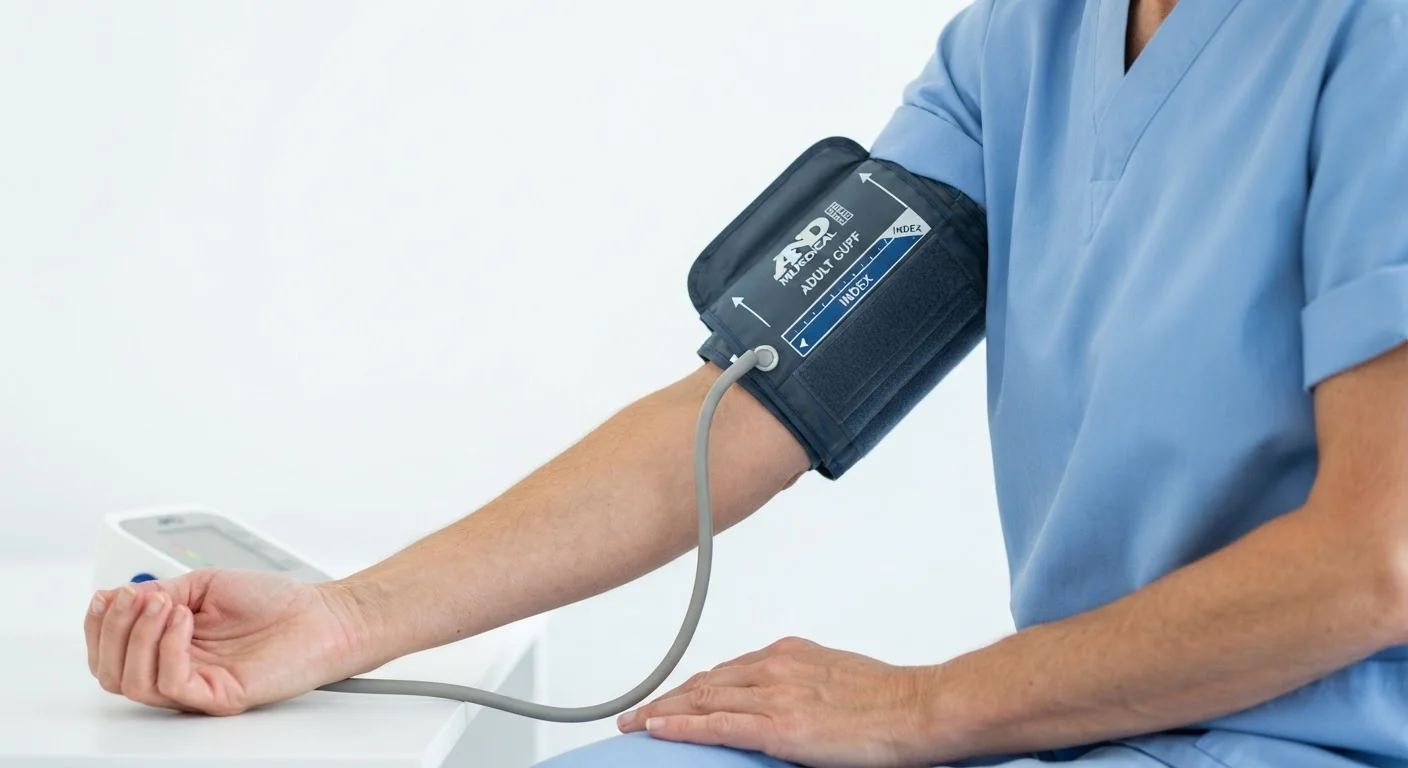
What the Numbers Actually Mean
A blood pressure reading consists of two numbers expressed as a fraction — for example, 120/80 mmHg. The top number (systolic pressure) measures the force your blood exerts against artery walls when your heart beats. The bottom number (diastolic pressure) measures that force between beats, when the heart is at rest.
Neither number alone tells the whole story. Both are considered together when a clinician evaluates cardiovascular risk. A single elevated reading doesn't confirm hypertension; the diagnosis typically requires consistently elevated readings taken on separate occasions. For a broader look at how this reading fits alongside cholesterol and blood sugar results, see Decoding Your Numbers.
How Hypertension Develops
High blood pressure — clinically called hypertension — develops when the sustained pressure in the arteries remains above healthy thresholds. This forces the heart to work harder over time and gradually damages arterial walls, setting the stage for serious cardiovascular events such as heart attack and stroke.
Most cases fall into one of two categories:
- Primary (essential) hypertension: No single identifiable cause; develops gradually over years and accounts for the large majority of cases.
- Secondary hypertension: Caused by an underlying condition — such as kidney disease, thyroid disorders, or certain medications — and typically resolves or improves when that cause is addressed.
Because hypertension rarely produces noticeable symptoms, it is frequently called a "silent" condition. Routine screening is the primary way it is caught early. Preventive health screenings explain why this kind of proactive monitoring matters.
Factors That Influence Blood Pressure
Blood pressure is shaped by a combination of biological and lifestyle factors, many of which interact with one another.
Systolic pressure
The upper number in a blood pressure reading, representing the force exerted on artery walls when the heart contracts and pushes blood out.
Diastolic pressure
The lower number in a blood pressure reading, representing arterial pressure between heartbeats when the heart is at rest and refilling.
Hypertension
A clinical term for persistently elevated blood pressure. It is defined by consistent readings at or above established thresholds and is a major modifiable risk factor for cardiovascular disease.
Primary (essential) hypertension
The most common form of high blood pressure, with no single identifiable cause. It develops gradually and is influenced by a combination of genetic, lifestyle, and environmental factors.
Secondary hypertension
High blood pressure caused by a specific, identifiable underlying condition — such as kidney disease or a hormonal disorder — that, when treated, may resolve or reduce the elevated pressure.
Arterial stiffness
A natural age-related reduction in the flexibility of artery walls, which contributes to rising systolic blood pressure as adults grow older.
Biological factors include age (arterial stiffness increases over time), family history, sex, and race or ethnicity — some populations carry a higher genetic predisposition. Conditions such as type 2 diabetes and obesity frequently co-occur with hypertension and amplify cardiovascular risk. Why many adults manage more than one chronic condition explores this clustering in more depth.
Lifestyle factors play a substantial and modifiable role:
- Dietary sodium: High sodium intake contributes to fluid retention and elevated pressure.
- Physical inactivity: Regular aerobic activity helps the heart pump more efficiently at lower pressure.
- Alcohol consumption: Consistent heavy drinking raises blood pressure over time.
- Smoking: Acutely raises pressure and causes long-term arterial damage.
- Chronic stress: Ongoing psychological stress activates physiological responses that sustain elevated pressure.
- Sleep quality: Poor or insufficient sleep is associated with higher average blood pressure readings.
Understanding Your Risk and Next Steps
Knowing where your numbers fall — and understanding what influences them — positions you to have a more informed conversation with a healthcare provider. Blood pressure is one of the most actionable cardiovascular risk markers: many of the factors that drive it are modifiable.
~47%
U.S. adults with hypertension
According to the Centers for Disease Control and Prevention, nearly half of American adults have high blood pressure, yet many are unaware of it.
1 in 5
Adults with uncontrolled hypertension unaware of their condition
CDC data indicates a significant proportion of people with high blood pressure have not been diagnosed, underscoring the value of routine screening.
~5 mmHg
Average systolic reduction from regular aerobic exercise
Research published in medical literature suggests consistent moderate-intensity aerobic activity can produce meaningful reductions in systolic blood pressure.
If elevated readings have been flagged, your clinician may recommend monitoring at home between appointments, reviewing current medications, or making specific lifestyle adjustments tailored to your profile. Hypertension often appears alongside elevated cholesterol, and managing high cholesterol covers the parallel cardiovascular considerations.
For context on related metabolic conditions, understanding a prediabetes result is a useful companion read. Explore more prevention-focused resources at the Prevention & Screenings hub.
This article is for general informational and educational purposes only and does not constitute medical advice. Always consult a qualified healthcare professional regarding your personal health, symptoms, or any changes to your care.