

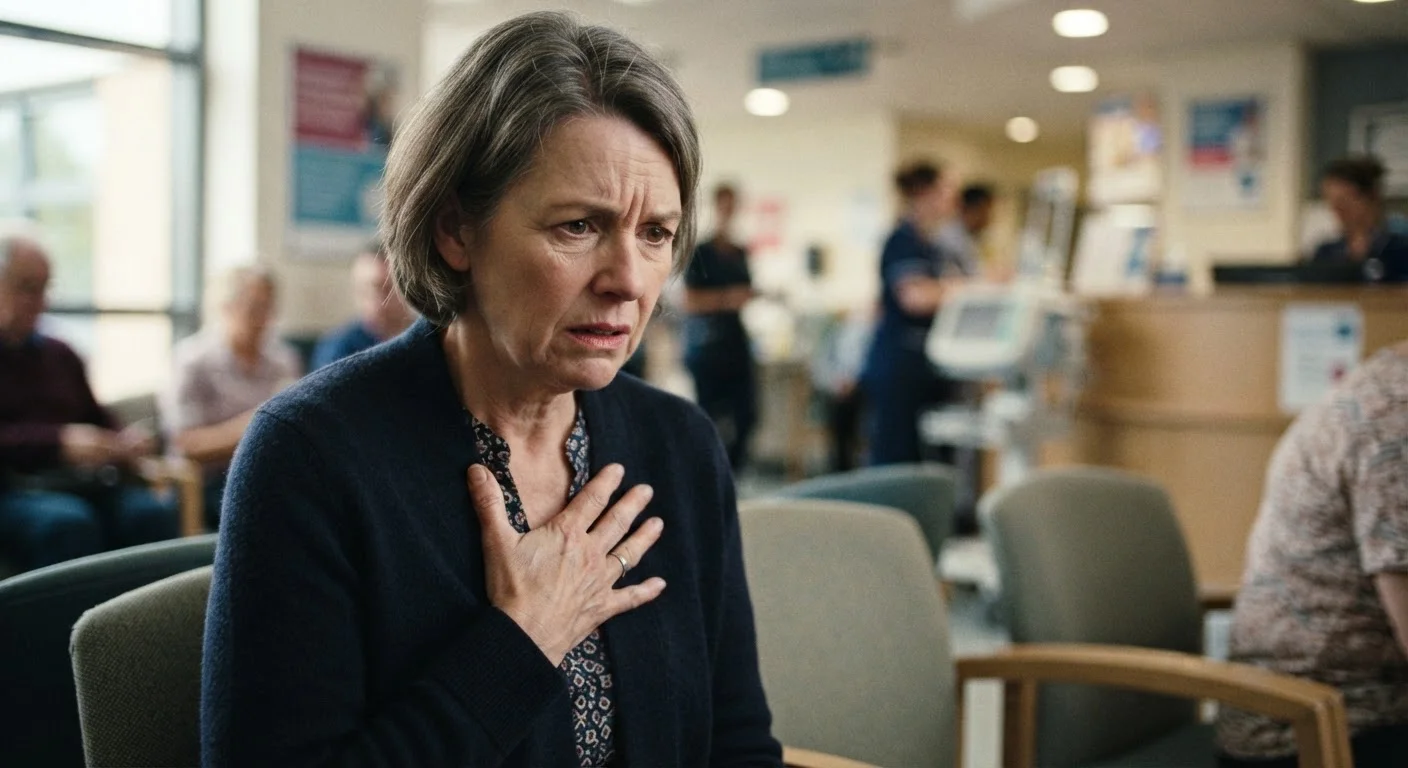
Key Takeaways
Our Verdict
Stress-induced and medically caused symptoms overlap significantly, making self-diagnosis unreliable. The most reliable approach combines informed self-observation — noting timing, triggers, and variability — with professional evaluation to rule out physical disease. Neither cause should be dismissed; both are real and both require appropriate care.
| Best for | Recommended |
|---|---|
| Adults with recurring physical symptoms tied to identifiable stress periods | Tracking symptom patterns and consulting a primary care provider |
| Those experiencing sudden, severe, or unexplained symptoms | Seeking immediate or urgent medical evaluation |
| People whose symptoms persist despite stress reduction efforts | Comprehensive workup to rule out underlying medical conditions |
Why Stress Produces Real Physical Symptoms
When the brain perceives a threat — whether a job deadline or a genuine danger — it activates the hypothalamic-pituitary-adrenal (HPA) axis and the autonomic nervous system. The result is a cascade of hormones, including cortisol and adrenaline, that prepare the body to respond. Heart rate accelerates, muscles tighten, digestion slows, and breathing becomes shallow. These are not imagined sensations; they are measurable physiological events.
Learn more about what's actually happening in your body when stress takes hold. The same mechanisms that protect us in emergencies can, when chronically activated, produce symptoms that are clinically indistinguishable from those of cardiovascular, gastrointestinal, or neurological disease. This is the central challenge in separating stress from illness.
75–90%
Primary care visits with stress-related component
Estimates from health behavior research suggest the majority of primary care visits involve conditions influenced by psychosocial stress.
Up to 30%
Adults with medically unexplained symptoms
Research in general practice settings indicates a substantial proportion of patients present with symptoms for which no clear organic cause is found after evaluation.
Symptom-by-Symptom Comparison: Stress vs. Physical Illness
Understanding how common symptoms present across both causes is the first step in building useful health literacy. The table below captures key distinguishing features — though it is not a diagnostic tool.
| Symptom | Stress/Psychological Origin | Physical Illness Origin | |
|---|---|---|---|
| Chest tightness or pain | Often tied to anxiety spikes; eases with relaxation | May be constant, exertion-related, or progressive | |
| Headache | Tension-type; band-like pressure, often bilateral | May be sudden-onset, one-sided, or worsening over time | |
| Nausea or stomach upset | Appears before or during stressors; variable | May occur independently of mood or stress level | |
| Fatigue | Improves with rest or stress reduction | Persistent regardless of sleep or relaxation | |
| Palpitations | Episodic; linked to anxious moments | May occur at rest, during exertion, or with structural triggers | |
| Shortness of breath | Often tied to hyperventilation or panic | May worsen with activity; may include cough or wheeze | |
| Red-flag features | Absent; symptoms shift with psychological state | Fever, weight loss, blood in outputs, neurological signs |
It is worth noting that acute and chronic stress affect the body differently, meaning a single stressful event may cause temporary palpitations while months of sustained strain can produce persistent fatigue or gastrointestinal disruption that looks very similar to a functional disorder.
Pattern Recognition: What to Observe Before Seeing a Doctor
Clinicians often ask patients to observe symptom patterns before an appointment. This information significantly improves diagnostic accuracy. Consider tracking the following:
- Timing: Do symptoms consistently appear before, during, or after stressful events? Stress symptoms tend to follow psychological triggers; illness-driven symptoms are often independent of emotional state.
- Variability: Stress-related symptoms frequently fluctuate — worsening under pressure and easing during rest or distraction. Many physical conditions produce more consistent, progressive, or patterned symptoms.
- Response to relaxation: Tension headaches and stress-related chest tightness often respond to relaxation techniques; cardiac or respiratory disease generally does not.
- Associated features: Fever, unexplained weight loss, blood in stool or urine, swollen lymph nodes, or neurological changes (such as one-sided weakness) are red-flag features that point strongly toward physical pathology and require prompt evaluation.
Use this self-check guide to notice when everyday stress may have shifted into something more persistent.
When Symptoms Always Warrant Medical Evaluation
Certain presentations should never be attributed to stress without medical clearance, regardless of how confident you feel about the cause:
- Chest pain, especially with exertion, left-arm radiation, or shortness of breath
- Palpitations accompanied by dizziness or fainting
- Severe or sudden-onset headache unlike previous headaches
- Neurological symptoms including vision changes, speech difficulty, or limb weakness
- Unexplained significant weight loss over weeks
- Blood in vomit, stool, or urine
These presentations may ultimately have a benign explanation, but ruling out serious organic disease must come first. Stress is a diagnosis of exclusion for many symptoms — a label that should follow investigation, not precede it.
This article is for general health information and educational purposes only. It is not a substitute for professional medical advice, diagnosis, or treatment. Always consult a qualified healthcare provider about any symptoms or health concerns you have.
The Overlap With Anxiety — and Why It Complicates Matters
Stress and anxiety share overlapping physiological signatures, which further blurs the picture. Both can produce chest tightness, gastrointestinal distress, dizziness, and fatigue. However, anxiety disorders involve persistent, disproportionate worry that continues in the absence of an identifiable stressor — a meaningful clinical distinction. Understanding where everyday stress ends and an anxiety disorder begins is important for seeking appropriate support, whether that means therapy, lifestyle changes, or medical treatment.
For those who travel frequently, context matters too — travel stress has distinct patterns from generalized anxiety that affect how best to respond. Exploring the full Stress & Anxiety resource hub can help you navigate these distinctions with evidence-based strategies.