

Key Takeaways
Reduces stress and lowers physiological arousal
Research published in journals including Psychoneuroendocrinology has linked mindfulness-based practices to measurable reductions in cortisol, the body's primary stress hormone. Even brief sessions can help down-regulate the nervous system after a demanding day.
Supports emotional regulation over time
Regular practice appears to strengthen the prefrontal cortex's influence over reactive emotional responses. This can translate to greater patience, reduced irritability, and a more measured reaction to everyday frustrations.
Accessible and low-cost to begin
Unlike many wellness investments, basic breath-awareness meditation requires no equipment, subscription, or physical ability. You can start with five minutes and a quiet corner of your home.
Can improve sleep quality
Studies suggest that mindfulness practices can reduce pre-sleep cognitive arousal — the racing thoughts that delay sleep onset. This benefit often becomes noticeable within several weeks of consistent practice.
Builds self-awareness gradually
Over time, the habit of observing your thoughts without immediately reacting to them carries into daily life. Many practitioners report noticing patterns in their thinking that they previously acted on unconsciously.
Requires consistent daily time commitment
Benefits are largely cumulative and depend on regularity. For already overscheduled adults, carving out even ten minutes per day — and protecting that time — can feel like a significant ask.
Early sessions can surface difficult emotions
Slowing down and turning inward can temporarily bring suppressed feelings to the surface. This is a documented phenomenon sometimes called 'meditation-related adverse effects' and is worth being prepared for, particularly for those with a trauma history. Consulting a mental health professional before starting is advisable in such cases.
Progress is subtle and slow to appear
Unlike a workout with visible physical feedback, meditation's effects unfold gradually. The absence of obvious early results causes many people to abandon the practice before benefits accumulate.
Misconceptions create frustration quickly
Many beginners expect a blank mind and interpret wandering thoughts as failure. This misunderstanding leads to discouragement, even though noticing and gently returning focus is precisely the practice.
Not a replacement for professional mental health care
Meditation can be a valuable complement to therapy or psychiatric treatment, but it is not a substitute. Using it as an avoidance strategy for conditions that warrant professional support can delay necessary care.
Our Verdict
Meditation is not a quick fix, and it asks something real of you — primarily your time and your willingness to sit with discomfort. For most adults, the evidence-backed benefits to stress, focus, and emotional health make that trade-off worthwhile. The key is entering the practice with honest expectations rather than inflated promises.
Adults who are willing to commit to a short daily routine and are open to a gradual, process-oriented form of self-care rather than an immediate result.
What Meditation Actually Involves
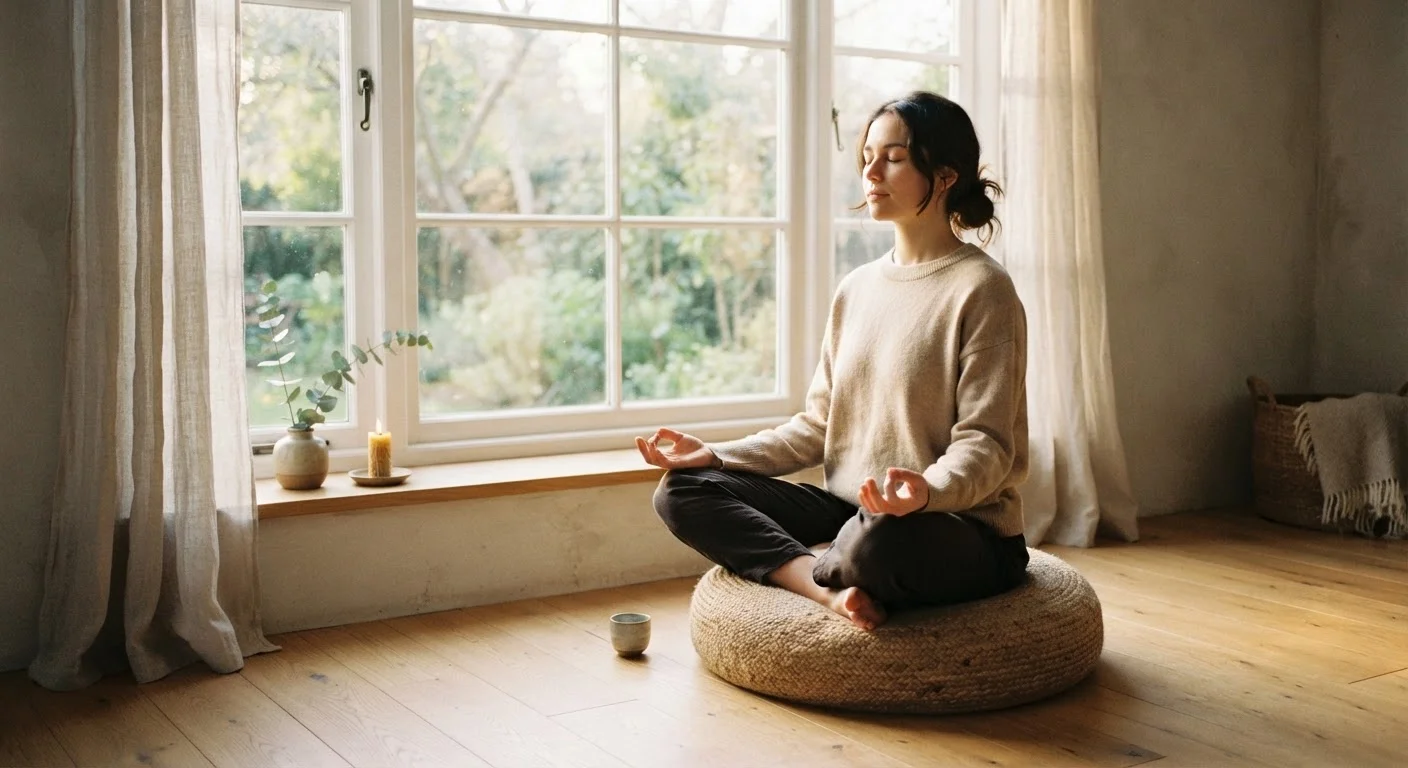
Meditation is one of those words that gets used broadly enough to obscure what it actually means. At its core, most secular meditation practices involve deliberately directing attention — typically to the breath, a sensation, or a sound — and then gently redirecting it whenever the mind wanders. That's it. The simplicity is real, but simple is not the same as easy.
Within that basic framework, the practice varies considerably. Guided and silent meditation serve different needs, and the format you choose can make a significant difference in whether the habit sticks. For beginners especially, guided sessions through an app or audio recording remove a lot of early guesswork.
What matters most for this discussion is that meditation is a practice — meaning the benefit is in the doing, repeatedly, over time. That framing shapes every honest trade-off that follows.
The Genuine Benefits Worth Your Attention
Reduces stress and lowers physiological arousal
Research published in journals including Psychoneuroendocrinology has linked mindfulness-based practices to measurable reductions in cortisol, the body's primary stress hormone. Even brief sessions can help down-regulate the nervous system after a demanding day.
Supports emotional regulation over time
Regular practice appears to strengthen the prefrontal cortex's influence over reactive emotional responses. This can translate to greater patience, reduced irritability, and a more measured reaction to everyday frustrations.
Accessible and low-cost to begin
Unlike many wellness investments, basic breath-awareness meditation requires no equipment, subscription, or physical ability. You can start with five minutes and a quiet corner of your home.
Can improve sleep quality
Studies suggest that mindfulness practices can reduce pre-sleep cognitive arousal — the racing thoughts that delay sleep onset. This benefit often becomes noticeable within several weeks of consistent practice.
Builds self-awareness gradually
Over time, the habit of observing your thoughts without immediately reacting to them carries into daily life. Many practitioners report noticing patterns in their thinking that they previously acted on unconsciously.
The evidence base for meditation has grown substantially over the past two decades. Stress reduction, emotional regulation, and improved sleep are among the most consistently supported outcomes. These are not trivial gains — for adults managing demanding careers, caregiving responsibilities, or chronic low-grade anxiety, even modest improvements in these areas can meaningfully shift quality of life.
Part of what makes the practice worth considering alongside other lifestyle investments — like the trade-offs of a highly structured daily routine — is that meditation is genuinely complementary to most of them. It asks for time, but it doesn't require physical energy, equipment, or a specific location.
~8 weeks
Time to measurable structural brain changes
Research from Massachusetts General Hospital found mindfulness-based stress reduction produced detectable changes in grey matter density after approximately eight weeks of practice.
58%
Adults reporting stress as a major concern
According to the American Psychological Association's Stress in America surveys, a majority of U.S. adults consistently identify stress as a significant factor in their overall health.
13 minutes
Daily session length linked to attention benefits
A 2018 study published in Psychological Science found that 13 minutes of daily meditation over eight weeks improved mood, attention, and memory in participants with no prior experience.
The Real Costs You Should Anticipate
Requires consistent daily time commitment
Benefits are largely cumulative and depend on regularity. For already overscheduled adults, carving out even ten minutes per day — and protecting that time — can feel like a significant ask.
Early sessions can surface difficult emotions
Slowing down and turning inward can temporarily bring suppressed feelings to the surface. This is a documented phenomenon sometimes called 'meditation-related adverse effects' and is worth being prepared for, particularly for those with a trauma history. Consulting a mental health professional before starting is advisable in such cases.
Progress is subtle and slow to appear
Unlike a workout with visible physical feedback, meditation's effects unfold gradually. The absence of obvious early results causes many people to abandon the practice before benefits accumulate.
Misconceptions create frustration quickly
Many beginners expect a blank mind and interpret wandering thoughts as failure. This misunderstanding leads to discouragement, even though noticing and gently returning focus is precisely the practice.
Not a replacement for professional mental health care
Meditation can be a valuable complement to therapy or psychiatric treatment, but it is not a substitute. Using it as an avoidance strategy for conditions that warrant professional support can delay necessary care.
A Note on Adverse Meditation Experiences
Most people tolerate meditation well, but a minority do report uncomfortable experiences including heightened anxiety, dissociation, or the re-emergence of difficult memories. This is more likely when someone has a significant trauma or mental health history. If you find that meditation consistently worsens your mood or causes distress, speak with a qualified mental health professional before continuing. This general information is not a substitute for personalised clinical guidance.
The most common reason people abandon meditation isn't that it doesn't work — it's that it doesn't work in the way or on the timeline they expected. Treating these challenges as features of the practice rather than personal failures makes a meaningful difference in persistence. Like setting firm personal boundaries, meditation is a skill that generates friction before it generates ease.
Building a Practice That Actually Fits Your Life
The most evidence-aligned recommendation is also the most practical: start smaller than feels meaningful. Five minutes of consistent daily practice will serve you better than a 30-minute session you attempt twice and abandon. Gradually extending duration as the habit stabilises is both more sustainable and more likely to produce lasting neurological and psychological benefits.
Pairing meditation with an existing anchor — your morning coffee, the end of your lunch break, or the few minutes after you close your laptop for the day — reduces the friction of deciding when to do it. Habit researchers refer to this as 'habit stacking,' and it's one of the more reliable tools for maintaining new routines.
For those interested in making mindfulness part of a broader lifestyle shift, the Mindful Living hub offers a range of accessible approaches to building intentional awareness into everyday decisions — not just formal sitting practice.
This article is for general informational and educational purposes only and is not a substitute for professional medical or mental health advice. If you have a mental health condition or history of trauma, please consult a qualified healthcare provider before beginning a meditation practice.